Renting a house in Bali as a foreigner: step by step
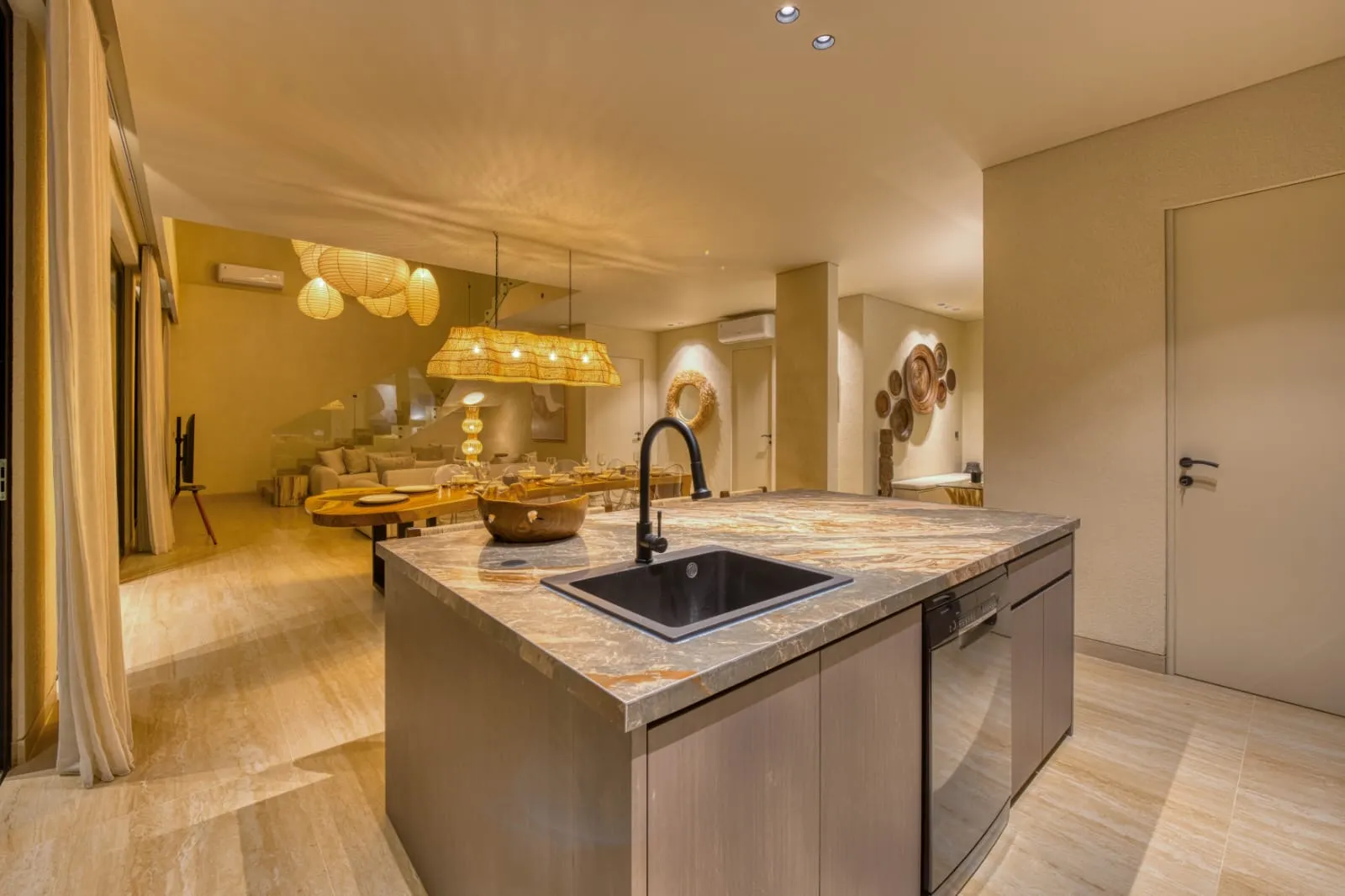
Foreigners can rent a house in Bali without owning anything or setting up a company: you sign a lease (hak sewa) with the person who holds the right to the property. What changes for a foreigner is the paperwork around it, starting with your stay permit, then the way leases are paid and the address you have to report to immigration.
Step 1: sort out the permit you will stay on
Your visa decides how long you can rent for, so start there. One legal guide notes that most formal lease agreements now ask the tenant to hold a limited stay permit (KITAS) or another long-term permit (Mondaq). For a stay of one or two months, ask the landlord which visa they accept. A yearly lease makes little sense if your permit does not let you stay that long.
Visa categories and their conditions change often. Check the current rules on the official Indonesian immigration website or with a licensed visa agent before you commit to a lease longer than your permit.
Step 2: choose the area, then the house
Bali is large and the traffic is slow, so the area matters more than the house. Families who want space and quiet streets close to Canggu often look at Umalas and Kerobokan. Our guides to living in Umalas and Kerobokan compare them. For four areas on the Canggu side in a single table, see our guide to renting in Bali.
Then search. Owners advertise on Indonesian portals, in expat groups and with signs on the gate. Our article on finding a Bali villa for rent without an agent covers where to look and how to spot a fake listing.
Step 3: check who you are renting from
Foreigners cannot hold freehold title (Hak Milik) in Indonesia (Emerhub). The house you rent may belong to an Indonesian owner, or be held on a long lease by a foreigner who now rents it out. Both are normal. What you need to see is the document that gives the person in front of you the right to rent it to you: the land certificate in the owner’s name, or the original lease with permission to sublet.
Avoid arrangements where an Indonesian “nominee” holds the property for a foreigner. Legal guides describe these as void and unenforceable, which leaves a tenant with nobody to rely on if there is a dispute.
Step 4: agree the price and how it is paid
Monthly rentals are paid month by month with a deposit. Yearly leases are very often paid in full at signing, and the Mondaq article reports that many landlords now ask for at least six months upfront. The deposit is commonly one or two months of rent.
| Payment point | What is common |
|---|---|
| Monthly lease | First month plus a deposit at signing |
| Yearly lease | Often the full year upfront, sometimes six months |
| Deposit | One or two months of rent |
| Utilities | Electricity, internet and water usually extra |
Our comparison of monthly and yearly leases works through the numbers on a real villa, including the electricity bill.
Step 5: sign a proper lease
Ask for a written lease that states the rent, the length, the payment terms, the deposit and the conditions for getting it back. Legal guides recommend having it signed by both sides with a tax stamp (materai), and checked or prepared by a notary for a long lease (Cekindo). A version in Bahasa Indonesia, or a certified translation, avoids arguments about wording later.
Add the details that cause trouble when they are missing: who pays for repairs, how fast they are done, whether pets are allowed, and the notice and price for renewing. If you are signing for a year or more, our guide to long-term villa rental in Bali goes through these clauses and the warning signs to check before you transfer a large sum.
Pay into an account in the name of the owner or the company on the lease. If the bank account belongs to someone else, stop and ask why.
Step 6: report your address
Under Article 71 of Indonesia’s Immigration Law (Law 6/2011), every foreigner in the country must report a change of address to the local immigration office. KITAS and KITAP holders have their home address registered there, and moving house before the permit expires should be reported (Indonesia Investments). The same source cites penalties of up to three months’ confinement or a fine of up to Rp 25 million for ignoring the obligation, though these figures may have changed since.
Ask your landlord or villa manager what they handle locally, for example registration with the banjar (the neighbourhood council), and get it in writing. The rules and the way they are applied vary, so confirm with the immigration office for your permit.
Step 7: move in with a record
On the first day, walk through the house with the owner or manager. Photograph every room, test the air conditioning, the hot water and the pool pump, and note the meter readings. Send the photos by message so both sides have a dated copy to settle any argument over the deposit.
Renting Villa Awana as a foreigner
Villa Awana is rented directly, with no agency fee, by the month or by the year. It is a four-bedroom villa with three bathrooms and a 60 m² pool in Dharma Residence on Jl. Bumbak Dauh, between Umalas and Berawa. The house has 300 m² of living space on a 600 m² plot, parking for two cars and four scooters, and was built and furnished in 2026.
Rates include taxes: USD 10,000 a month from the first month, or USD 110,000 for a year paid upfront. The deposit is one month of rent. Housekeeping and pool cleaning come every day and garden upkeep is included. Electricity and fibre internet are paid by the tenant.
Celo Studio manages the villa and answers on WhatsApp (+62 813-5937-919). Visits can be arranged until 4 pm.