Galungan and Kuningan: Bali's big festival explained for residents
Galungan is the most important Hindu festival in Bali, and if you live here for a few months you will almost certainly be here for one. It celebrates the victory of good over evil, families welcome back the spirits of their ancestors, and ten days later Kuningan marks their departure (Honeycombers). The next one starts on Wednesday 13 January 2027. This guide covers what happens on each day and what it changes for someone renting a house.
Galungan dates for 2027
Galungan does not follow the Western calendar. It falls on a Wednesday in the 11th week of the 210-day Balinese Pawukon calendar (Bali Untold), so it comes round roughly every seven months and the month changes each time. The last one was on 17 June 2026, and 2026 had only one Galungan (Honeycombers). In 2027 there are two.
| Period | Galungan | Kuningan |
|---|---|---|
| January 2027 | Wednesday 13 January | Saturday 23 January |
| August 2027 | Wednesday 11 August | Saturday 21 August |
These dates come from Bali Untold and Honeycombers, and match the 210-day cycle counted from June 2026. One calendar site gives different 2027 dates that do not fit the cycle, so if you are planning a trip or a school term around them, confirm with your villa manager or your school a few weeks ahead.
The days before and after
Galungan is not a single day. The preparations start earlier in the week, and the festive period runs for ten days. Bali Untold describes the run-up like this (Bali Untold):
- Penyekeban, three days before: green bananas are set in clay pots to ripen.
- Penyajaan, two days before: families make jaja, the rice cakes used in offerings.
- Penampahan, the day before: pigs or chickens are slaughtered for the feasts.
- Galungan itself: prayers at home temples and village shrines.
- Umanis Galungan, the day after: people visit family, friends and neighbours.
- Kuningan, ten days later: temple prayers and offerings of yellow turmeric rice.
If your house staff or your driver are Balinese Hindu, these are the days their own families need them. You will notice it in the week before Galungan more than on the day itself.
The penjor along the road
The first thing you see is the penjor. These are tall bamboo poles curving over the road, decorated with coconut leaves, fruit, rice and flowers, set up outside homes and businesses at the start of Galungan. They stay up for the full ten days (Honeycombers). A street like Jalan Bumbak Dauh, with its family compounds, ends up lined with them.
Early morning is the best time to see a penjor-lined street, before the traffic (Honeycombers). If you walk or ride past a ceremony, slow down, step around the small canang sari offerings on the ground, and ask before you photograph anyone.
What closes and what stays open
Unlike Nyepi, the Day of Silence, Galungan does not shut the island. Tourist areas in the south keep running and most restaurants, cafés and shops aimed at visitors stay open. Some local warungs close on Galungan day, and banks and government offices may close or shorten their hours (Honeycombers). If you need a bank, a visa appointment or anything official that week, book it before or after.
Drivers and guides are the other gap. Many take a few days off over the period, so book transport in advance; some non-Hindu drivers keep working (Bali Untold). If you rely on a driver for the school run, agree the cover for those days early. Our guide to hiring a private driver in Bali covers how monthly arrangements usually work.
Traffic gets heavier on Umanis Galungan, when families travel to see each other, and large ceremonies can block roads (Bali Untold). Leave more time for any drive that day. Our guide to the banjar and village rules covers the processions and road closures you will meet in your own neighbourhood.
Schools during Galungan
Sources do not agree here. Bali Untold says the ten days after Galungan are a holiday period and most children are out of school. Honeycombers points out that Galungan is not a national public holiday in Indonesia. School calendars vary, so ask your school directly whether it closes and for how long. January 2027 also falls in the wet season, which our Bali rainy season guide describes month by month.
Living through Galungan as a tenant
A few practical points for people renting a house:
- Ask your villa manager in December whether cleaning and pool care change around 13 January, and again around 23 January.
- Stock up on groceries before Galungan day, in case your nearest warung or market stall closes.
- If your staff ask for time off, agree the days with them a few weeks ahead.
- For temple visits, wear a sarong with a sash, or a kebaya (Honeycombers).
If you are arriving over Christmas and staying into the new year, our guide to Bali in December for a long stay covers the busy fortnight before Galungan. The other relocation guides deal with hospitals, schools and budgets.
Galungan from Villa Awana
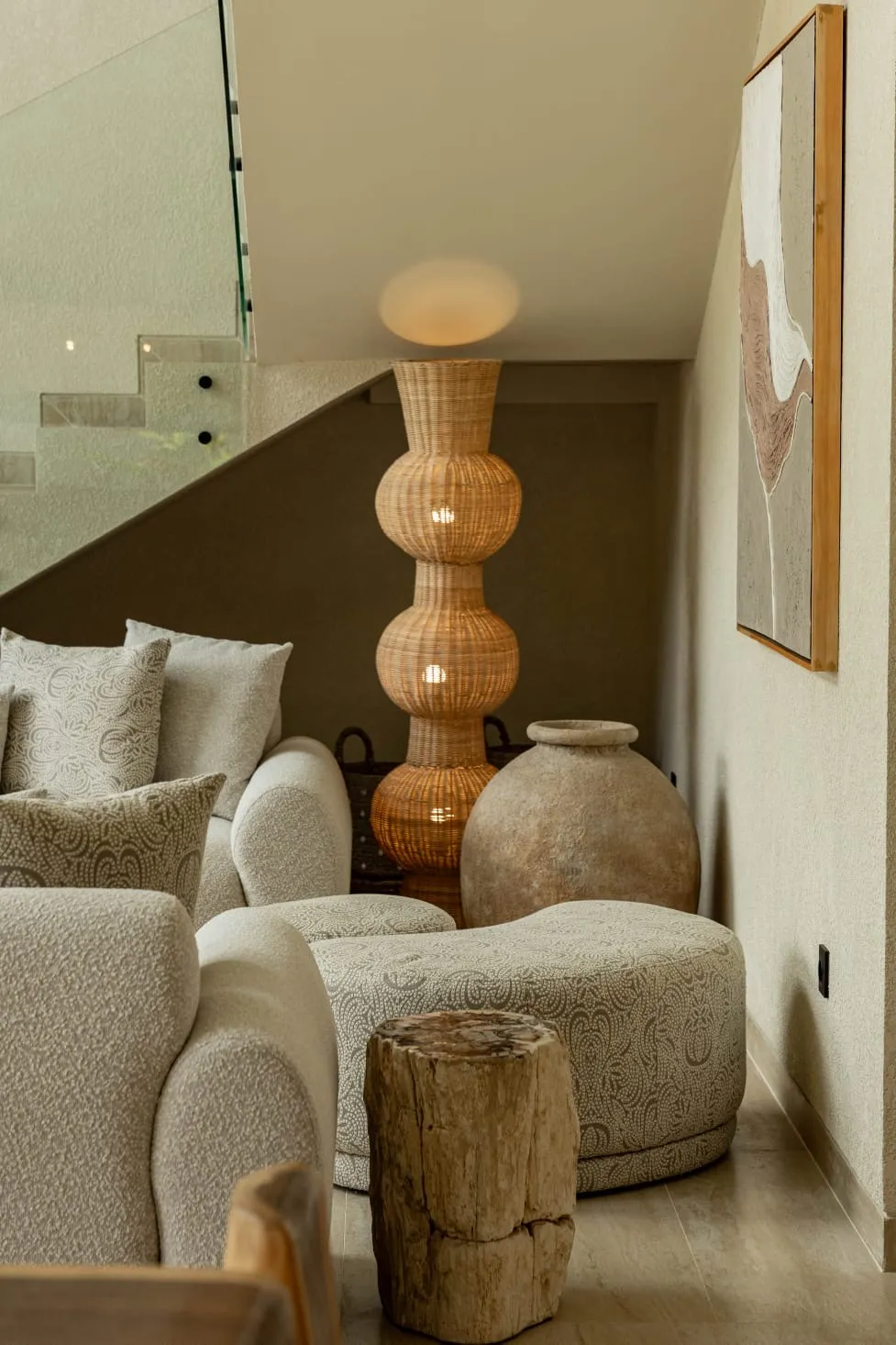
Villa Awana is in Dharma Residence on Jalan Bumbak Dauh, Umalas-Berawa (Kerobokan), a residential street where you will see the penjor go up outside the neighbouring family compounds. The house has four bedrooms, three bathrooms, 300 m² of living space on 600 m² of land and a 60 m² pool. It was built in 2026 and is fully furnished, with parking for two cars and four scooters.
Housekeeping and pool cleaning come every day and are 100% included; the garden is maintained. Rent is 10,000 USD a month from one month, or 110,000 USD for a year paid upfront (about 9,167 USD a month), taxes included and with no agency fee. The deposit is one month’s rent, and electricity and fibre internet are paid by the tenant.
Celo Studio manages the villa and can tell you how the January 2027 festival days will be handled. Ask them on WhatsApp (+62 813-5937-919); visits run until 4 pm.