Cost of living in Bali in 2026: a real monthly budget
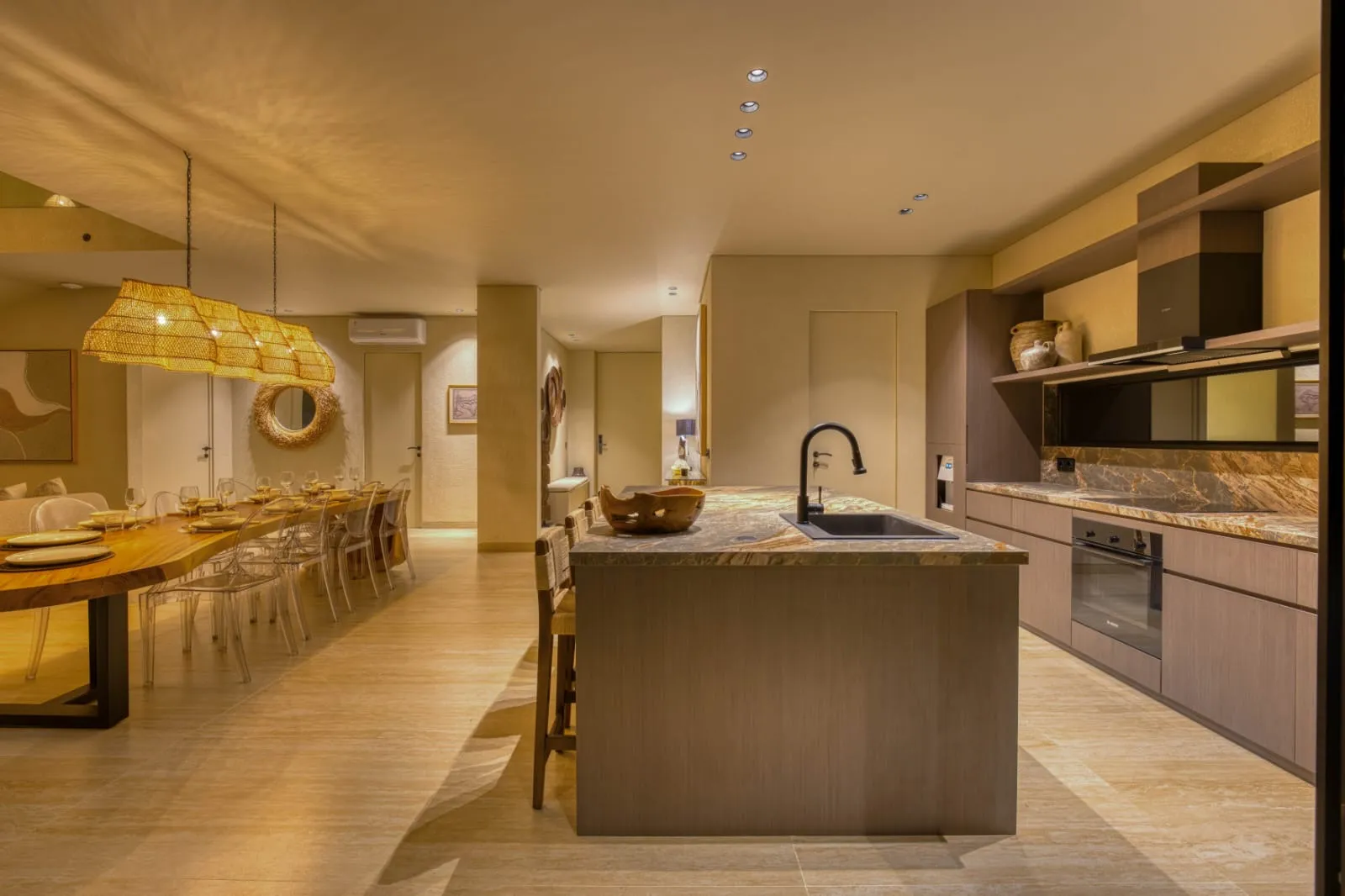
The cost of living in Bali comes down mostly to your housing, your school fees and how often you eat out. Below is the budget line by line, using ranges from estimates published in 2026, plus the costs people tend to leave out.
Most of these published figures come from agencies and expat bloggers, so treat them as orders of magnitude rather than quotes.
Typical monthly totals
| Profile | Monthly budget (USD) | Source |
|---|---|---|
| Single person, simple lifestyle | from about 900 | Wonderful Bali Villas |
| Family of four | 5,000 to 7,000 | bali.com |
Further down, the same bali.com page gives USD 4,000 to 6,000 or more for a family with two children. One family blog puts its own spending at about USD 6,500 a month with a baby (Johnny Africa). Most of the gap between a single person and a family is rent and school fees.
Rent
Rent comes first and varies the most. bali.com puts a three-bedroom villa at about USD 1,500 to 3,000 a month in its family budget (bali.com), and pool villas in family areas such as Umalas, Sanur and Ubud often cost more. Newer, larger villas with big pools and daily staff are well above those ranges.
The length of your stay changes the price: a yearly lease paid upfront costs less per month than renting month to month, as we show with real numbers in Monthly or yearly villa rental in Bali. So does what the rent includes, since cleaning, the pool, the garden, internet and electricity can each be in or out. Location matters too: Canggu and Seminyak cost more than quieter areas.
Utilities
Electricity is often the biggest variable cost, because of air conditioning and pool pumps. Most villas are on PLN, the state company, sometimes with prepaid tokens. For homes connected at 3,500 VA and above, which covers most villas, PLN charged Rp 1,699.53 per kWh through the first three quarters of 2026 (Bisnis.com). The rate is reviewed every quarter. To estimate your bill, ask for the villa’s last few months of token purchases. Fibre internet is widely available in the Canggu area and costs little next to the rent. Drinking water in refill bottles and gas for cooking are small but regular expenses. Some leases include the banjar (village) contribution and others pass it on to you. If yours passes it on, our guide to the banjar and village rules explains what that contribution is and what to ask your landlord before you sign.
Food
Eating local is cheap. Eating the way you would in Europe or Australia is not. The bali.com family budget puts food and groceries for four at USD 800 to 1,200 a month (bali.com), and imported products like cheese, wine and cereal are what push the bill up.
Transport
Renting a scooter is the cheapest way to get around. Families often hire a car with a driver by the day or the month, and ride-hailing apps are inexpensive for short trips and deliveries. Our guide to hiring a private driver in Bali gives the 2026 day rates and what a monthly driver earns.
School fees
For families, schools make the biggest difference to the total. The bali.com family budget counts USD 1,000 to 1,500 per child per month for an international school, and premium campuses charge more (bali.com). Ask each school for its current fees, enrolment fee and building levy before you set a budget. If you are looking at Montessori, our guide to Montessori schools in Bali covers the school in Berawa, the Guidepost campus in Jimbaran and the fees both schools publish. Our guide to international schools in Bali lists the 2026/27 tuition, registration fees and capital levies of six schools, from Canggu to Sanur.
Food in practice
How you eat changes the bill more than where you live. Warungs serving Indonesian food cost little; cafés and restaurants aimed at residents and visitors cost about what you would pay in a mid-sized European city. Many families cook most nights and eat out a few times a week. Our list of where to eat in Umalas gives an idea of the range in one neighbourhood.
Health
Health insurance with evacuation cover is the one line not to cut. The main 24-hour private hospitals in the south, such as BIMC and Siloam in Kuta, are used to international insurers, but you pay upfront if your policy does not have a direct billing arrangement with them. You’ll find their addresses and emergency numbers in our guide to international hospitals in Bali. Dengue cases rise in the wet season (bali.com), and a doctor’s visit and blood test are a cost to plan for, as described in our guide to the Bali rainy season. Our guide to healthcare in Bali for long-stay residents lists what to check in your policy before you land.
Costs people forget
- Health insurance with evacuation cover.
- Visas for stays beyond a tourist visa, plus any agent fees.
- Household help. If it is not in the rent, housekeepers, gardeners and nannies are an extra monthly line.
- The deposit, usually one or two months of rent, tied up for the length of the lease.
- Flights home.
What a family budget looks like
For a family of four renting a large pool villa near the schools of Umalas and Berawa, rent is the biggest line, followed by school fees, then food, transport, utilities and insurance. Pick a new villa with staff included and an international school, and you land at the top of the published ranges.
Keeping the budget predictable
The more the rent covers, the fewer surprises you get each month. At Villa Awana, between Umalas and Berawa, housekeeping and pool cleaning every day are included, taxes are included, and the tenant pays only electricity and internet. The rent is USD 10,000 per month, or USD 110,000 for a year paid upfront. If you are still choosing an area, start with living in Umalas.